






Exploring the Evolution and Impact of Gaming Consoles
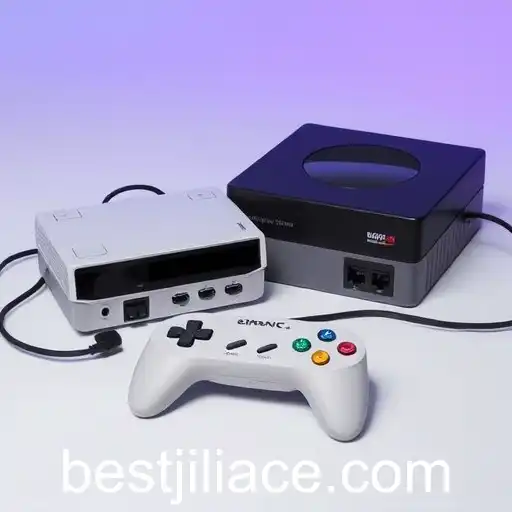
Gaming consoles have fundamentally transformed the landscape of entertainment, evolving over the years from simple machines to highly sophisticated platforms that compete with other forms of media. Initially, these devices were simple; the earliest consoles like the Magnavox Odyssey, released in 1972, offered basic graphics and limited functionality. However, they laid the foundation for the video gaming industry, capturing the imagination of millions by introducing interactive entertainment into households.
Throughout the 1980s and 1990s, gaming consoles underwent significant technological advancements. The introduction of more powerful processors, improved graphics capabilities, and more immersive sound design transformed the gameplay experience. Iconic consoles like the Nintendo Entertainment System (NES) and the Sega Genesis popularized video games among wider audiences, spawning legendary franchises that continue to thrive today.
The late 1990s and early 2000s marked another pivotal era as consoles entered the world of 3D gaming. The Sony PlayStation and the Nintendo 64 capitalized on this trend, offering more complex and visually stunning games. Around this time, gaming consoles began to diversify their capabilities, offering features beyond games, such as DVD playback and internet connectivity.
The modern era of gaming consoles is dominated by three major players: Sony with its PlayStation series, Microsoft with the Xbox series, and Nintendo with its unique line of consoles including the Switch. These machines are powerful enough to compete with PCs, offering 4K resolution gaming, ray tracing technology, and virtual reality experiences. Moreover, the digital transformation of the industry has led to the rise of digital game distribution, online multiplayer gaming, and subscription services like Xbox Game Pass and PlayStation Now.
Gaming consoles have not just advanced technologically but also culturally. They are now pivotal in the growing acceptance and mainstream appeal of gaming as a form of art and storytelling. Esports, streaming, and social features integrated into these consoles have fostered vibrant global communities, making gaming an integral part of popular culture.
Looking forward, the gaming console industry shows no signs of slowing down. With the advent of cloud gaming and artificial intelligence, future consoles may evolve beyond their hardware constraints, offering more seamless and immersive experiences. Regardless of the advances, the core appeal of gaming consoles—their ability to bring joy, challenge, and excitement to players—is likely to remain unchanged.
Gaming Trends and Innovations for 2026

Explore the latest trends and innovations shaping the gaming industry in 2026, with a focus on how platforms like jiliace are influencing the landscape.
2026-01-14
The Rise of Jiliace: A New Era for Online Gaming

Exploring the impact of Jiliace as a dominant platform in the online gaming industry.
2026-01-13
The Rise of Online Gaming Platforms

Exploring the growth and impact of online gaming platforms in 2026, with a focus on emerging websites like jiliace.
2026-01-12
The Rise of Online Gaming and Jiliace's Impact

Exploring the dynamic world of online gaming in 2026 and Jiliace's role in reshaping the digital landscape.
2026-01-11

 download apk/ios